
SchargedClovers: A Riveting Adventure Awaits
Dive into the exciting world of SchargedClovers and discover its captivating gameplay and innovative rules.


Jueteng is a popular form of illegal gambling in the Philippines, deeply entrenched in the fabric of Filipino society. Despite numerous campaigns by the government and other organizations to curb this illicit activity, it continues to thrive, influencing social and political dynamics in the country.
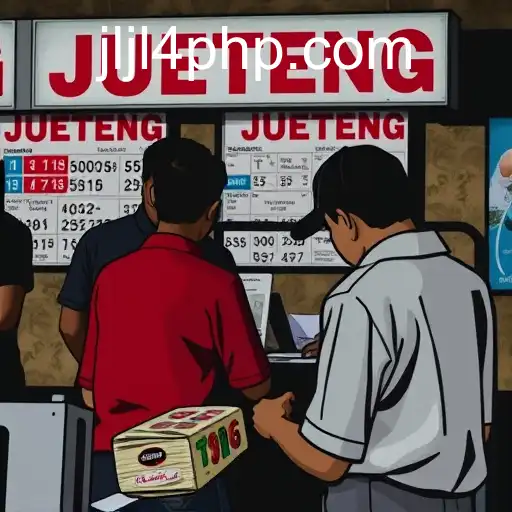
Jueteng is a numbers game rooted in the Spanish colonial era. It is relatively simple to play and follows a structure similar to lotteries. Players place bets on a combination of numbers, typically ranging from one to 37. The numbers are then drawn at random, and those who have bet on the winning combination receive a payout. The simplicity of the game, coupled with the potential for high rewards, makes it an attractive option for many Filipinos seeking quick financial gain.
The game operates in a hierarchical system. At the top of this structure are the kubradors, individuals responsible for collecting bets from players. They report to the cabo, who in turn passes the bets to the administrator. The administrator oversees the entire operation, ensuring that winning numbers are drawn and that winners are paid.
Jueteng serves as more than just a gambling activity; it is a source of livelihood for thousands across the country. Many communities argue that the game provides a lifeline, especially in rural areas where economic opportunities are limited. The kubradors, cabos, and friends often form a complex support network, relying on the proceeds to sustain their families.
Several factors contribute to the enduring popularity of Jueteng. Firstly, the game does not require substantial capital to participate, making it accessible to all. Additionally, for many players, Jueteng offers a thrilling escape from the routine of daily life, a hopeful gamble in the face of financial struggles. This aligns well with the Filipino trait of being game-oriented and the cultural penchant for risk-taking.
Perhaps one of the most controversial aspects of Jueteng is its entwinement with politics. The game has long been alleged to fund political campaigns and indirectly influence local politics. Politicians are often accused of either turning a blind eye to Jueteng operations or directly benefiting from them, raising concerns about corruption and the integrity of public officials.
Efforts to eradicate Jueteng have existed for decades, with varying levels of success. Anti-gambling laws explicitly prohibit its practice, but enforcing these laws has proven challenging. Corruption within law enforcement agencies and the pervasive social acceptance of Jueteng hinder effective crackdowns.
Approaching the issue of Jueteng requires a nuanced understanding of the socio-economic forces at play. Any attempt to eliminate Jueteng must take into account its role within communities as a form of informal economy. It also necessitates consideration of the vast networking systems in place that facilitate its operation.
To tackle Jueteng, solutions may involve empowering communities economically to reduce the dependency on the game. Programs aimed at providing alternative income sources, improving basic services, and fostering financial literacy could help reduce the allure of illegal gambling. Encouraging community-based vigilance and accountability might also deter operations. Moreover, continuous dialogue between government bodies and local communities could foster trust and collaboration in curbing the practice.
Looking forward, a critical analysis of why Jueteng remains prevalent can hold keys to formulating effective strategies against it. Focused social awareness campaigns that target cultural perceptions and misconceptions around gambling could shift public opinion gradually. Finally, technological advancements might offer new methods for tracking and blocking illegal betting activities online, providing innovative ways to address this age-old issue.
The narrative of Jueteng in the Philippines is complex, deeply woven into the socio-political and economic tapestry of the nation. While it presents significant challenges, the opportunities to reform and empower communities provide a promising outlook for change.
If you're looking for a reliable, fully licensed, and secure sportsbook with a wide selection of games, JLJL4 is the perfect choice. We're committed to providing you with the best online betting experience, with premium quality, excellent service, and continuous innovation. Sign up now and receive ₱777 for free!
Join now
Get the latest information, experience and betting strategies from the expert team at JLJL4.
Dive into the exciting world of SchargedClovers and discover its captivating gameplay and innovative rules.

Dive into the adventurous game PyramidRaider, exploring its captivating features and unique gameplay rules.

Discover the realm of RoyalGriffin, a captivating game featuring JLJL4 and offering an immersive experience.

Unveiling FortuneHook: A Comprehensive Guide to Gameplay and Rules Engaged with the Modern Gaming World

Explore the captivating world of Shogun, a strategic board game that combines historical warfare and intelligent gameplay. Learn about its unique rules and current relevance.

Dive into the vibrant world of LuckyMacaw, a captivating game redefining virtual adventures. Learn about its innovative gameplay, rules, and how current events shape its evolving universe.
 Join now